Director’s statement
This story comes from lived experience. I was in Las Vegas during the 2008 housing crash and personally felt the fear of instability. Friends and neighbors who once had jobs and homes lost them overnight, and many of those people inspired the characters in this film. Their resilience, humor and bonds of survival stay with me.
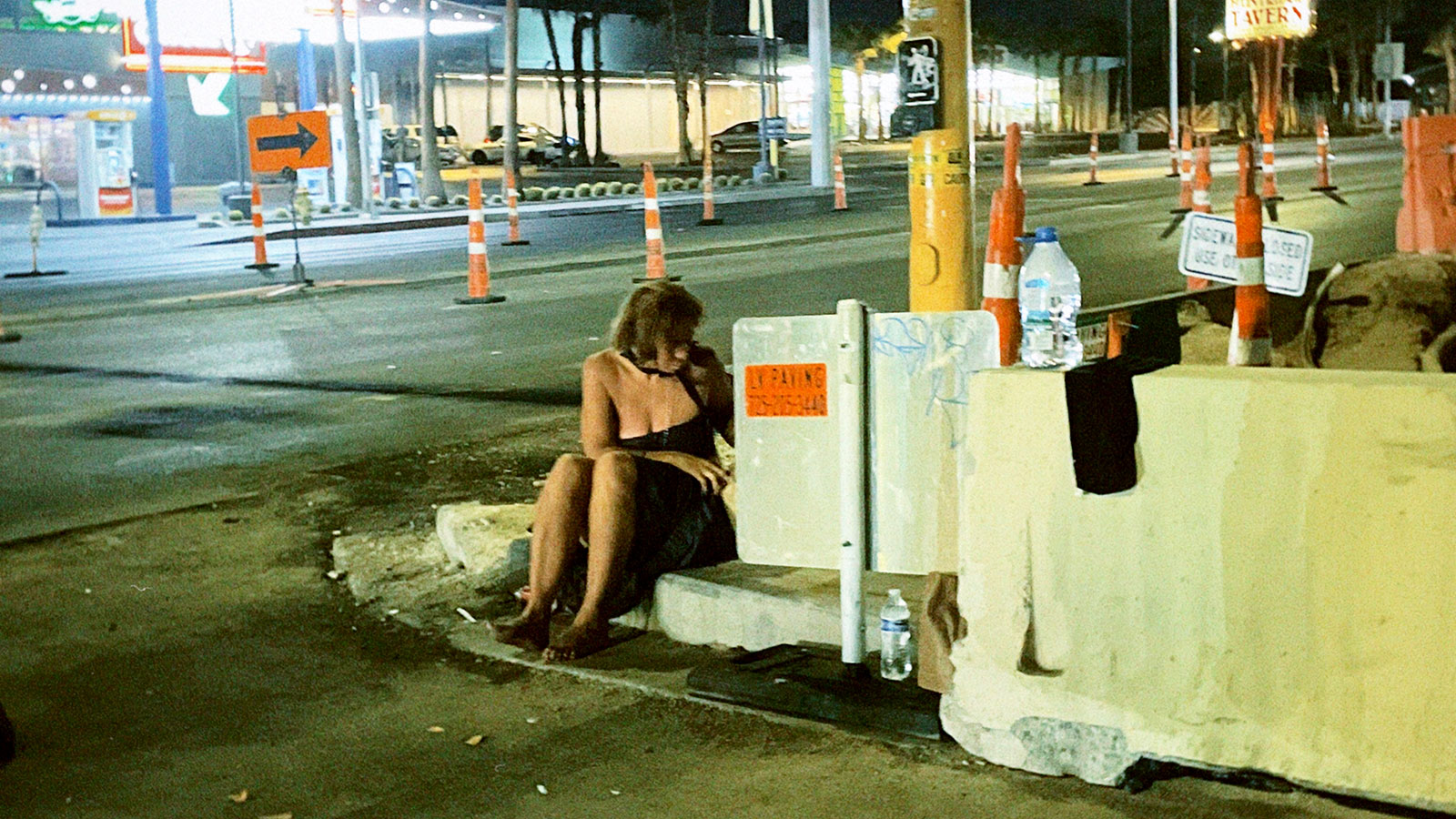
I want to challenge how cinema portrays Las Vegas. Too often we see only the neon glamour or, conversely, misery stripped of humanity. My vision is to capture both the beauty and the harsh edges of this city—the desert light, the constant hum of traffic, the improvised communities of those who live without shelter—without exploitation or sentimentality.
As an immigrant female filmmaker and educator, I bring both personal insight and artistic rigor to this project. Combining realism with experimental approaches to sound and image, I aim to give audiences not a spectacle, but an authentic and poetic reflection of America today.
— Roudi Boroumand
Style & Artistic Vision
Constant Hum’s style is deeply rooted in social realism and inspired by directors such as Kelly Reichardt, Agnès Varda and Abbas Kiarostami. Visually, the film will move between restraint and intimacy: long takes that allow the hum of the city to breathe, punctuated by close attention to faces, hands, and fleeting gestures.

Themes and Relevance
Homelessness, poverty, disability, and displacement are often reduced to numbers, crises, or headlines. Here, they are lived realities: rituals of survival, fragments of memory, and quiet moments of tenderness. Characters are not symbols, but presences—fragile, flawed, unfinished, yet dignified.
Why Now?
We live in a time marked by disconnection, where many feel unheard, unseen, and overlooked. Las Vegas, often imagined as a city of surfaces, becomes here a mirror of this condition: humming with lives that are invisible to most. Constant Hum insists on looking, listening, and lingering with what the world rushes past. In doing so, it becomes urgently relevant—not as spectacle or social critique, but as an intimate meditation on survival, humanity, and the fragile sparks of connection that still bind us.